
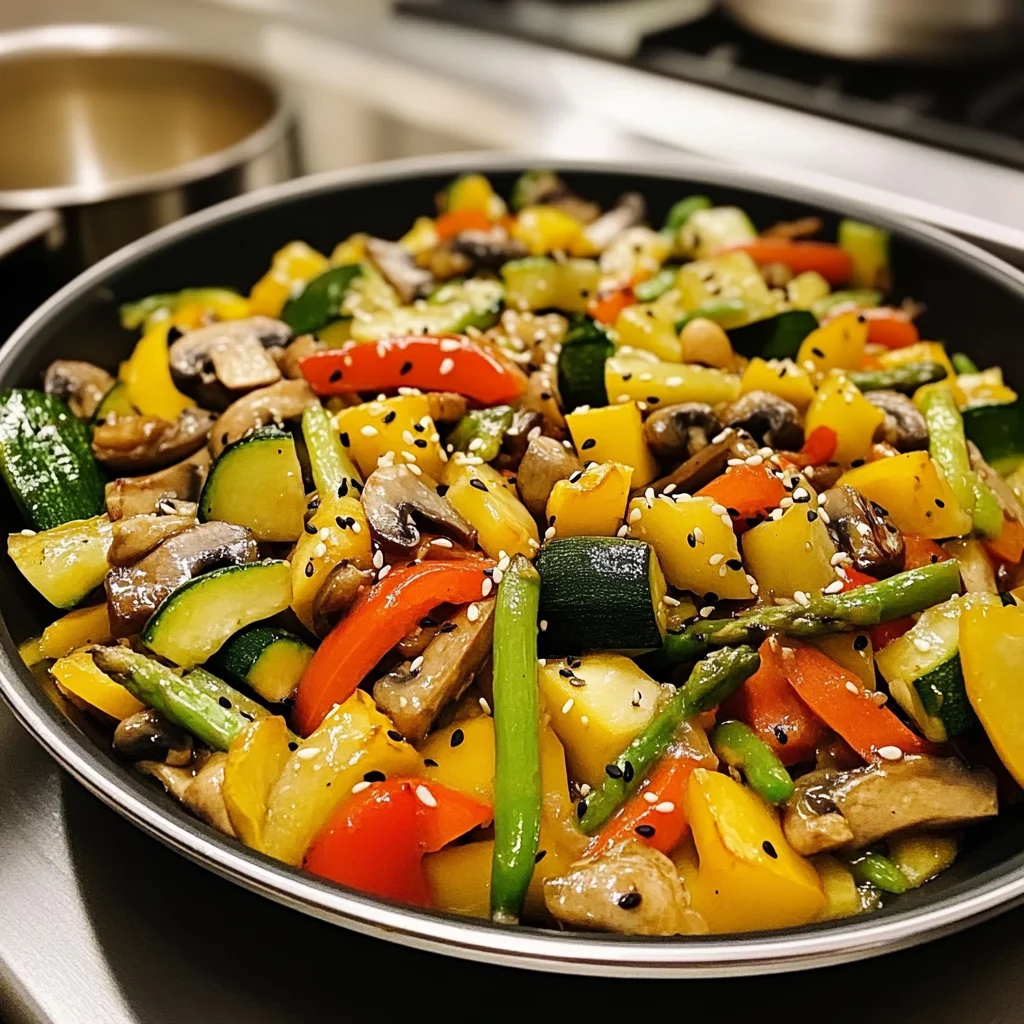
The sizzling sound of hibachi vegetables dancing on a hot grill fills the air with an irresistible aroma, inviting you to indulge in a vibrant symphony of flavors. Imagine the crunch of fresh zucchini, bell peppers, and mushrooms, all glistening with a savory glaze that instantly awakens your taste buds and transports you to a lively Japanese steakhouse right in your kitchen.
As I reminisce about family gatherings where we huddled around the hibachi grill, laughing and sharing stories, I can’t help but smile at how these simple yet colorful vegetables became the star of our meals. Perfect for any occasion—from casual weeknight dinners to festive celebrations—these hibachi vegetables promise an exciting flavor experience that will leave you craving more with each delightful bite.
Why Does Everyone Love hibachi vegetables?
Colorful and vibrant, this dish is a feast for the eyes! Packed with nutritious ingredients like broccoli, bell peppers, and zucchini, it’s not just healthy but also incredibly flavorful. Quick to prepare in just 25 minutes, it’s perfect for busy weeknights. Versatile enough to pair with any protein or serve as a delightful vegetarian main course. Irresistibly aromatic, the combination of soy sauce and sesame oil will have everyone coming back for seconds!
hibachi vegetables Ingredients
- For the Vegetables
- 1 cup broccoli florets – A nutritious addition that adds a lovely crunch and bright color to your dish.
- 1 cup sliced bell peppers (mixed colors) – These provide a sweet flavor and vibrant hues, making your hibachi vegetables visually appealing.
- 1 cup sliced zucchini – This versatile veggie absorbs flavors beautifully and adds a tender texture when cooked.
- 1 cup sliced carrots – They bring a subtle sweetness and a delightful crunch, balancing the flavors of the dish.
- 1 cup sliced mushrooms – Their earthy taste enhances the umami profile of the hibachi vegetables.
- For the Sauce
- 2 tablespoons soy sauce (low sodium preferred) – This savory staple infuses your stir-fry with rich flavor without overwhelming it with salt.
- 1 tablespoon sesame oil – A little goes a long way; this oil adds a nutty aroma and depth to your hibachi vegetables.
- For Seasoning
- 1 teaspoon garlic (minced) – Fresh garlic elevates the dish with its aromatic essence, complementing the other ingredients perfectly.
- 1 teaspoon ginger (minced) – Adds a warm spiciness that brightens up the flavors in your stir-fry.
- For Garnish
- 1 tablespoon sesame seeds (for garnish) – Toasted sesame seeds sprinkle on top add texture and an appealing finish to your colorful dish.
How to Make hibachi vegetables
1. Wash and chop all vegetables into bite-sized pieces. Start with 1 cup of broccoli florets, 1 cup of sliced bell peppers in mixed colors, 1 cup of sliced zucchini, 1 cup of sliced carrots, and 1 cup of sliced mushrooms for a vibrant dish.
2. Mix the sauce: In a small bowl, combine 2 tablespoons of soy sauce (low sodium preferred), 1 tablespoon of sesame oil, 1 teaspoon of minced garlic, and 1 teaspoon of minced ginger. This flavorful blend will elevate your hibachi vegetables!
3. Heat the wok: Place a wok over medium-high heat and add a little oil if needed. You want it hot enough that the veggies sizzle when added—this should take about a minute.
4. Stir-fry broccoli and carrots: Add the broccoli florets and sliced carrots first, stir-frying them for about 2 minutes until they start to soften but still retain their bright colors.
5. Add remaining veggies: Toss in the sliced bell peppers, zucchini, and mushrooms. Continue stir-frying for another 3-4 minutes until everything is tender-crisp and beautifully colorful.
6. Pour sauce mixture: Drizzle the soy sauce blend over your sautéed vegetables and toss to coat them evenly. This step infuses all those lovely flavors throughout.
7. Finish cooking: Cook for an additional minute to let the sauce soak in, then remove from heat. Sprinkle with 1 tablespoon of sesame seeds before serving for that perfect finishing touch!
Optional: Serve with steamed rice or noodles for a complete meal.
Exact quantities are listed in the recipe card below.
Expert Tips
- Vegetable Selection: Use fresh, vibrant vegetables for the best flavor and texture in your hibachi vegetables. Avoid wilted greens or overripe produce.
- Cut Evenly: Ensure all vegetables are chopped into similar sizes. This promotes even cooking and prevents some pieces from becoming mushy while others remain raw.
- Heat Control: Start with a hot wok to achieve that signature stir-fry sear. If the pan isn’t hot enough, vegetables will steam instead of fry.
- Soy Sauce Timing: Don’t add the soy sauce mixture too early; doing so can lead to soggy vegetables. Wait until they are nearly cooked before adding it.
- Sesame Oil Finish: Drizzle sesame oil at the end for maximum flavor impact. Adding it too soon can diminish its nutty aroma during cooking.
- Garnish Generously: Don’t skimp on sesame seeds! They add a delightful crunch and enhance the presentation of your hibachi vegetables.
How to Store and Freeze hibachi vegetables

- Fridge: Store your leftover hibachi vegetables in an airtight container for up to 3 days. This keeps them fresh and ready for reheating.
- Freezer: For longer storage, freeze the cooked vegetables in a freezer-safe bag or container. They can last up to 3 months; just ensure they’re well-sealed.
- Reheating: To reheat, simply sauté in a pan over medium heat for about 5 minutes until warmed through, or microwave for 2-3 minutes, stirring halfway.
- Avoid Room Temperature: It’s best not to leave hibachi vegetables at room temperature for more than 2 hours to prevent spoilage.
hibachi vegetables Your Way
Feel free to get creative and personalize this vibrant dish with your favorite veggies and flavors!
- Spicy Kick: Add sliced jalapeños or a dash of red pepper flakes for a zesty heat. This twist will elevate your stir-fry, giving it an exciting kick that warms the soul.
- Sweet Treat: Toss in some sugar snap peas or baby corn for a touch of sweetness. These veggies not only add delightful crunch but also balance the savory elements beautifully.
- Earthy Flavor: Substitute shiitake mushrooms for a richer, umami flavor. Their depth adds complexity to the dish, transforming your hibachi experience into something truly extraordinary.
- Crispy Delight: Incorporate water chestnuts for an extra crunch. Their unique texture contrasts wonderfully with the tender vegetables, making each bite a delightful surprise.
- Herb Infusion: Use fresh herbs like basil or cilantro instead of ginger for a refreshing twist. This aromatic addition brightens up the dish and brings a garden-fresh essence to your table.
- Color Burst: Try adding purple cabbage or yellow squash for additional color. Not only do they make your plate more appealing, but they also introduce new flavors and textures to enjoy.
- Nutty Goodness: Sprinkle in chopped peanuts or cashews for added richness and crunch. This simple change enhances the dish’s heartiness while giving it that satisfying nutty flavor.
Make Ahead Options
This hibachi vegetables recipe is perfect for meal prep, allowing you to enjoy a colorful mix of stir-fried goodness throughout the week. You can wash and chop all the vegetables, including 1 cup each of broccoli florets, sliced bell peppers, zucchini, carrots, and mushrooms, up to 24 hours in advance. Additionally, the soy sauce mixture made with 2 tablespoons of low-sodium soy sauce, 1 tablespoon of sesame oil, and minced garlic and ginger can also be prepared ahead of time and stored in the refrigerator for up to 3 days. When you’re ready to serve, simply heat a wok over medium-high heat, add a little oil if needed, and stir-fry the broccoli and carrots for about 2 minutes before adding the remaining vegetables. Pour the pre-mixed sauce over everything and cook for an additional minute. Finish with a sprinkle of sesame seeds for that authentic hibachi touch! By prepping these ingredients ahead of time, you’ll save precious moments during your busy week while still enjoying delicious, homemade hibachi vegetables.
hibachi vegetables Recipe FAQs
What types of vegetables work best for hibachi vegetables?
While this recipe calls for broccoli, bell peppers, zucchini, carrots, and mushrooms, you can easily customize it! Think snap peas, baby corn, or even bok choy for a unique twist. The key is to choose vibrant, fresh produce that will stir-fry well and maintain a tender-crisp texture.
How should I store leftover hibachi vegetables?
If you have any leftovers (which is unlikely since they’re so delicious!), allow the vegetables to cool completely before transferring them to an airtight container. They can be stored in the fridge for up to 3 days. Just reheat in a pan over medium heat until warmed through!
Can I freeze hibachi vegetables?
Absolutely! If you want to prep ahead, blanch the vegetables briefly before freezing—this helps preserve their color and crunch. Place them in freezer-safe bags or containers and they can last up to 3 months. When you’re ready to enjoy them again, simply thaw in the fridge overnight.
How do I make sure my vegetables are cooked perfectly?
To achieve that delightful tender-crisp texture, start by stir-frying the broccoli and carrots first for about 2 minutes before adding the rest. This staggered cooking ensures each vegetable reaches its peak without becoming mushy. You’ll know they’re done when they’re bright in color and still firm to the bite.
What if I don’t have sesame oil?
If you don’t have sesame oil on hand, feel free to substitute it with olive oil or avocado oil. While you’ll miss some of that nutty flavor typical of hibachi dishes, these oils will still provide a lovely richness. You might consider adding a sprinkle of toasted sesame seeds or a dash of soy sauce at the end for an extra flavor boost!
How many servings does this recipe yield?
This hibachi vegetables recipe serves 4 people, making it perfect for a family dinner or as a side dish at your next gathering. Each serving contains approximately 120 calories, allowing everyone to indulge without guilt!
Hibachi Vegetables
Ingredients
Method
- Wash and chop all vegetables into bite-sized pieces.
- In a small bowl, mix soy sauce, sesame oil, garlic, and ginger.
- Heat a wok over medium-high heat and add a little oil if needed.
- Add the broccoli and carrots first, stir-frying for about 2 minutes.
- Add the bell peppers, zucchini, and mushrooms, and continue to stir-fry for another 3-4 minutes until tender-crisp.
- Pour the soy sauce mixture over the vegetables and toss to coat evenly.
- Cook for an additional minute, then remove from heat and sprinkle with sesame seeds before serving.